

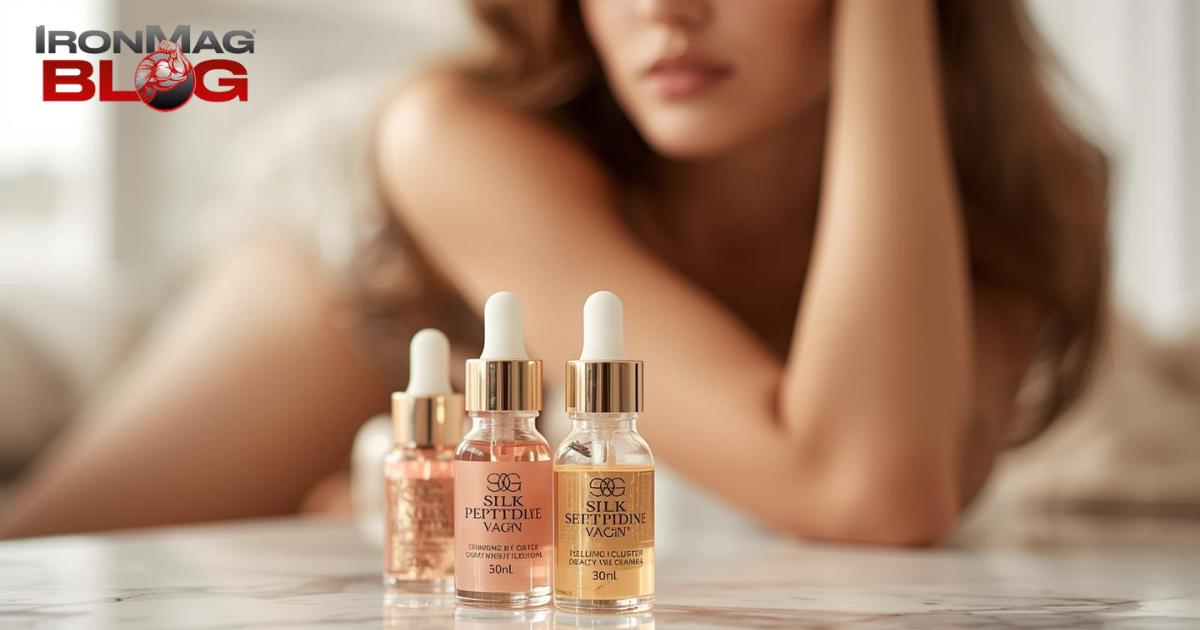
Just when it feels like skincare has explored every possible ingredient, something new starts making waves. Lately, that ingredient is silk peptides. When I first heard the name, I assumed it was another passing trend. But the more I looked into it, the more it became clear that dermatologists are paying real attention to it.
As we’ve all seen, peptides across the board are a hot topic. People are using them for many reasons, and with fantastic results.
Today, the health and skincare space is full of powerful actives like NAD serums and azelaic acid that target brightness and blemishes. There’s also a growing need for ingredients that focus on hydration and skin comfort.
Not everyone’s skin can handle strong treatments all the time. Sometimes what it needs is something gentler that still works hard behind the scenes.
That’s where silk peptides come in. Known for their smoothing and hydrating properties, they are quickly becoming an ingredient many experts believe could fill an important gap in modern skincare routines.
In this article, I want to take a deeper dive into silk peptides and help you understand the benefits and whether or not it’s something you should try.
Disclaimer: This article is for informational purposes only and should not be used to treat or diagnose any condition. It is recommended that you speak with your doctor before starting any exercise program, making changes to your nutrition plan, or adding any new dietary supplements into your current regimen.
Silk Peptides… What’s the Buzz?
Peptides have become one of the most talked-about ingredients in skincare, and there’s a good reason for that. These small molecules are made up of amino acids, the same building blocks that help keep skin healthy, resilient, and glowing. When applied topically, peptides can support skin repair and overall skin health.
I’ve always found them fascinating because such tiny compounds can make a noticeable difference in how the skin looks and feels. Some of you may have tried the serums out there with little to no change in your skin appearance at all. But with silk peptides, real changes seem to be made.
That said, peptides rarely work best on their own. In most formulations, they are combined with other active ingredients to create a more balanced and effective product that helps support brighter, smoother, and more youthful-looking skin.
Silk peptides are a specific type derived from silkworm cocoons. They are valued for their nutrient-rich composition and their ability to support hydration and skin renewal.
These peptides contain amino acids and antioxidants that help protect the skin from environmental stressors while strengthening the skin barrier.
They are also known for their moisturizing properties. By helping the skin retain hydration, silk peptides can give the complexion a smoother, plumper, and more radiant appearance.
Because of these combined benefits, they’ve become a sought-after ingredient in products designed to brighten, hydrate, and support healthy-looking skin.
3 Benefits of Silk Peptides
Below are some benefits you may experience when using silk peptides. Best of all, they’re backed by science.
1. It helps calm inflammation and protect the skin
Silk peptides have shown anti-inflammatory properties that may help soothe skin irritation and inflammation linked to various skin conditions.
Some research suggests they can reduce markers of inflammation, indicating potential benefits for managing inflammatory skin issues.
In one study, silk peptides were examined for their ability to enhance the effects of Tat-superoxide dismutase, a compound known for its antioxidant activity. The results suggested that the peptides helped reduce inflammation.
2. It may help soothe eczema and dermatitis
Since silk peptides have anti-inflammatory properties, they may help calm skin conditions such as eczema and dermatitis.
In one study conducted on mice, silk peptides helped reduce serum IgE levels, which are often linked to allergic and inflammatory responses. The findings suggested that silk peptides may help ease symptoms of atopic dermatitis by supporting a healthier balance in the immune system’s TH1 and TH2 responses.
3. It supports hydration and healthy aging
Silk peptides are often valued in skincare for their ability to support deep hydration and improve overall skin health. They help replenish amino acids in the skin, which can encourage collagen and elastin production, two proteins that keep skin firm and resilient.
Their moisture-retaining properties also play a key role. Silk peptides help the skin hold onto hydration and reduce water loss, leaving it smoother and more comfortable.
Research on transepidermal water loss has shown that silk-derived compounds can increase skin hydration while limiting moisture loss.
Better hydration doesn’t just make skin feel softer. It also supports the skin barrier and can help soften the appearance of fine lines over time. By improving moisture balance and supporting structural proteins, silk peptides may contribute to a more youthful-looking complexion.
How to Use Silk Peptides?
Silk peptides are most often found in serums, moisturizers, and lightweight creams. They are typically applied after cleansing and before heavier products, such as moisturizers or SPF, in the morning.
Since they mainly support hydration and skin health rather than act as strong actives, they pair well with ingredients like antioxidants, niacinamide, and retinoids.
You’ll also see silk peptides used in haircare products such as shampoos, conditioners, and leave-in treatments. In these formulas, they help smooth and condition the hair fiber.
They do sometimes appear in oral supplements, but the evidence supporting skin benefits from ingesting silk peptides is still limited compared to topical use.
Author Bio:
Matt Weik, BS, CSCS, CPT, CSN, is a globally recognized health, fitness, and supplement industry expert with over 25 years of hands-on experience. He is the founder of Weik Fitness and one of the most prolific writers in the space, known for translating complex science into clear, actionable content. Matt holds a Bachelor of Science in Kinesiology from Penn State University and multiple industry certifications, giving his work both academic credibility and real-world authority. His writing has been featured on thousands of websites and in 100+ magazines worldwide, including FLEX, Muscular Development, Iron Man, and Muscle & Fitness UK, and he has authored 30+ published books. Trusted by leading supplement brands and media outlets alike, Matt is widely regarded as one of the most knowledgeable and reliable voices in health, fitness, and sports nutrition.