

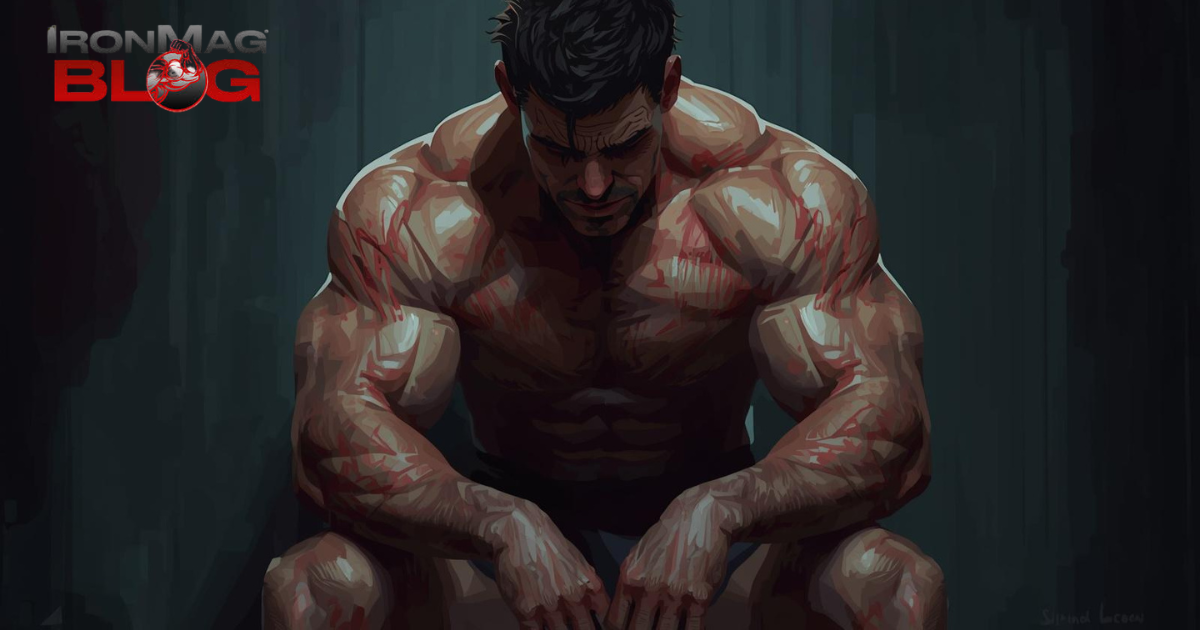
Are you actually overtraining, or just not recovering enough?
After years of lifting and working with hundreds of athletes and clients, I’ve noticed most people don’t notice the difference until things start to go downhill. They keep pushing, keep grinding, telling themselves the fatigue is part of the process.
Then, when they hit a wall, suddenly it’s “overtraining.”
In reality, true overtraining doesn’t happen as often as people think. What’s far more common is poor recovery. And if you can’t tell the two apart, you’re setting yourself up to burn out.
In this article, we are going to unpack both and help you understand where you may fall on this spectrum.
Disclaimer: This article is for informational purposes only and should not be used to treat or diagnose any condition. It is recommended that you speak with your doctor before starting any exercise program, making changes to your nutrition plan, or adding any new dietary supplements into your current regimen.
What is Overtraining?
At its core, overtraining occurs when you push your body harder and more often than it can handle. It usually shows up as constant fatigue, dips in performance, or that lingering soreness and inflammation that just won’t go away.
But here’s the thing. Many people who think they’re overtraining are actually not recovering well enough.
I’ve been there myself, blaming my workouts when the real issue was everything else.
Poor sleep, insufficient water intake, and inconsistent nutrition are the usual culprits. When recovery takes a backseat, your body eventually forces you to slow down, sometimes with a long break you didn’t plan for.
What makes it tricky is that overtraining isn’t always obvious. If you’re unsure, it’s worth speaking to a professional who can take a proper look at your routine and recovery.
People end up in this spot for different reasons. Some chase results and think more effort will get them there faster. Others just enjoy pushing themselves and don’t want to ease off.
If you’re new, it’s easy to believe that doing more will help you burn more and lose weight quicker. Chances are, one of these sounds familiar.
What is Under-Recovery?
Under-recovery is what happens when the rest of your life doesn’t back up the work you’re putting in at the gym. You’re short on sleep, meals are all over the place, stress is high, water intake is low, and most of your day is spent staring at screens, running on caffeine just to get through.
It’s not really about pushing too hard in your workouts. It’s about everything outside of them not pulling its weight.
When Should You Back Off a Bit?
In powerlifting, I’ve had clients on both ends of this. I’ve walked into meets where competitors couldn’t even unrack my client’s opener because their system was completely fried.
Then there have been days where everything clicked, where my clients hit lifts far beyond anything they’d done previously in training. That kind of jump only shows up when you train hard but recover even better, and let your body actually rebound.
But there’s a limit to that. Push too hard, too often, and the body doesn’t bounce back. It actually starts to give way, instead.
The line between a huge PR and running yourself into the ground is thinner than most people think. It really comes down to knowing when to ease off.
Are There Any Benefits of Overtraining?
Overtraining? No. But again, most people aren’t overtraining (or even pushing their bodies enough).
Pushing your limits can help build strength, boost endurance, and even increase confidence. You might feel stronger, more capable, and more in control of your body.
But without proper recovery, it flips. Performance starts to drop, soreness lingers, and you feel drained more often than not. That’s where most people get it wrong.
The real balance is simple. Train hard but recover just as seriously. Give your body time to reset. Stay hydrated, eat enough protein to support muscle repair, and don’t cut corners on sleep.
How to Avoid Overtraining & Still Push for Your Limits?
It’s not always obvious when you’ve crossed the line, but if you pay attention to how your body feels, the signs are usually there. Catching it early can save you from digging yourself into a hole.
- Stay on top of your hydration. The more you train, the more you sweat, and if you’re not replacing that, recovery takes a hit. It also makes those random cramps show up when you least expect them.
- Don’t skip your meals. After a hard session, your body needs fuel to bounce back. Carbs, protein, and fluids do most of the heavy lifting here. Miss that window, and you’ll feel it the next day.
- Sleep matters more than most people admit. I’ve had phases where I tried to get by on less, and it always caught up with me. Aim for a solid 8 hours, or more if you can.
- Finally, be realistic with your training. Going all out every single session sounds good in theory, but it doesn’t work in practice. Progress comes from balance, not burnout.
Author Bio:
Matt Weik, BS, CSCS, CPT, CSN, is a globally recognized health, fitness, and supplement industry expert with over 25 years of hands-on experience. He is the founder of Weik Fitness and one of the most prolific writers in the space, known for translating complex science into clear, actionable content. Matt holds a Bachelor of Science in Kinesiology from Penn State University and multiple industry certifications, giving his work both academic credibility and real-world authority. His writing has been featured on thousands of websites and in 100+ magazines worldwide, including FLEX, Muscular Development, Iron Man, and Muscle & Fitness UK, and he has authored 30+ published books. Trusted by leading supplement brands and media outlets alike, Matt is widely regarded as one of the most knowledgeable and reliable voices in health, fitness, and sports nutrition.
