
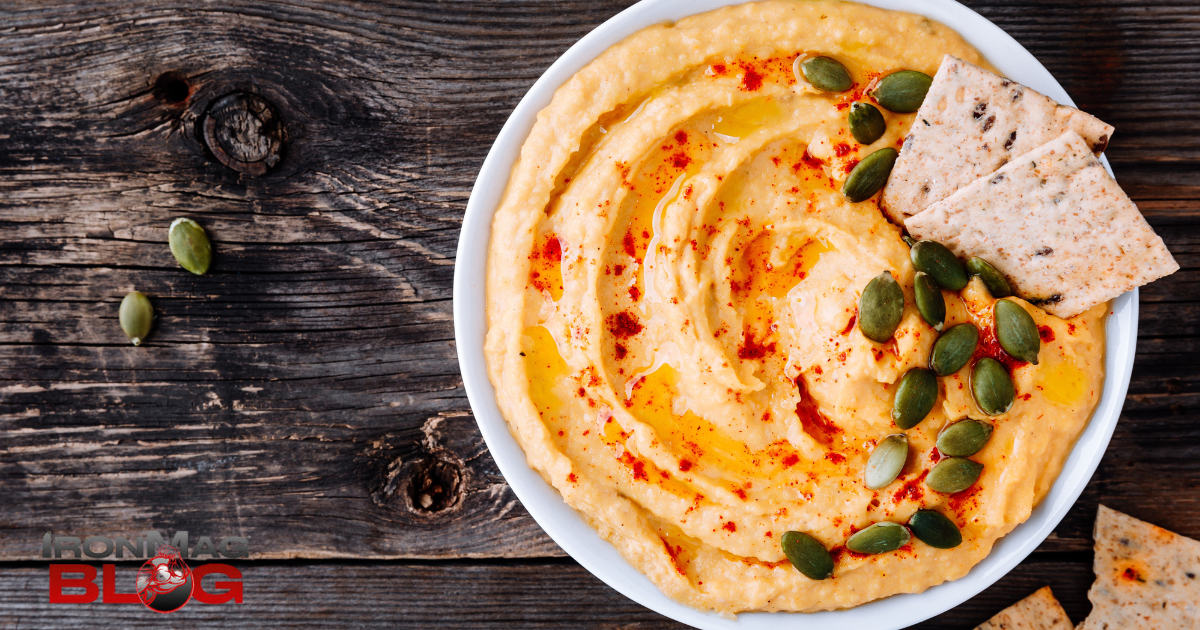
I don’t know about you, but I’m a fan of hummus. At first, I thought, “There’s no way I’m going to like this, it sounds weird.” But after giving it a shot, it’s one of my favorite dips for vegetables like carrots.
Sure, I knew there had to be health benefits and that it was loaded with protein, but I never realized ALL the health benefits that we can experience.
For those who are unaware, hummus is a Middle Eastern dish made from chickpeas, often used as a spread or a vegetable dip. While it contains a fair number of calories, it is prepared with nutrient-dense ingredients that provide healthy fats, complex carbohydrates, and very little sugar.
When paired with fresh vegetables or pita, hummus shows off just how nutritionally sound it really is. Originating in the Middle East, this chickpea-based spread has gained worldwide popularity and is now a common find in lunchboxes, picnics, and dinner parties.
In this article, we will dive deeper and explore some healthy reasons you should eat more hummus in your diet.
Disclaimer: This article is for informational purposes only and should not be used to treat or diagnose any condition. It is recommended that you speak with your doctor before starting any exercise program, making changes to your nutrition plan, or adding any new supplements into your current regimen.
The Nutritional Value of Hummus
According to USDA data, one tablespoon (15 grams) of hummus contains:
- 39 calories
- 7 grams of fat
- 1 milligrams of sodium
- 3 grams of carbohydrates
- 17 micrograms of folate
- 9 grams of fiber
- 04 grams of sugar
- 2 grams of protein
- 5 milligrams of iron
- 8 milligrams of magnesium
- 3 milligrams of zinc
7 Amazing Health Benefits of Hummus
Hummus is more than just a tasty dip. Research shows it can support our health in several ways. Below are some proven benefits of adding hummus to your weekly nutrition plan.
1. It may help with inflammation
Inflammation is the body’s natural defense against infection, illness, or injury. When it lasts longer than necessary, it becomes chronic inflammation, which is linked to several serious health conditions.
Hummus contains ingredients, such as olive oil, that may help reduce chronic inflammation. It is rich in antioxidants with anti-inflammatory effects. Extra virgin olive oil, in particular, contains oleocanthal, an antioxidant with properties similar to common anti-inflammatory medicines.
2. It provides healthy fats
The fat in hummus comes mainly from tahini, or sesame paste, and is a mix of polyunsaturated and monounsaturated fats. Both types of fat support heart health.
Research shows polyunsaturated fats may boost brain function, improve conditions like depression, and help protect against Alzheimer’s disease.
The American Heart Association recommends replacing saturated fats with monounsaturated or polyunsaturated fats to lower LDL cholesterol and support overall heart health.
3. Heart health
A 2016 review found that chickpeas and hummus may support heart health and help regulate glucose and insulin levels.
The high-quality carbohydrates in chickpeas, which are rich in fiber, significantly contribute to these benefits and support better cardiovascular health.
4. Supports digestive health
The fiber in hummus supports digestive health by promoting fullness and keeping bowel movements regular.
Soluble fiber slows digestion, which helps the body absorb less fat and sugar. Insoluble fiber adds bulk to stool, making it easier to pass and preventing constipation.
5. It helps manage blood sugar levels
Hummus has several qualities that can help manage blood sugar levels.
Chickpeas have a low glycemic index (GI). The GI measures how quickly foods raise blood sugar. High-GI foods are digested and absorbed rapidly, leading to sharp spikes and drops in blood sugar. Low-GI foods are absorbed more slowly, creating a steady and balanced rise and fall.
Hummus is also rich in soluble fiber and healthy fats. These nutrients slow the absorption of carbohydrates, which helps provide a gradual and steady release of sugar into the bloodstream.
6. It supports weight management
Research from 2020 suggests that adding hummus to your diet may support weight loss by improving appetite control and reducing overall daily food intake compared to other common foods.
The nutrient-dense mix of chickpeas and tahini helps improve blood sugar control after meals and supports healthier fasting lipid levels, both of which are important for weight management and metabolic health.
Hummus can also improve diet quality by replacing less nutritious foods that are high in saturated fat, sodium, or added sugar. These qualities make hummus a versatile option for reducing the risk of obesity and supporting long-term weight control.
7. It can improve overall diet quality
Research shows that including hummus in your diet may improve overall diet quality by replacing foods that are high in saturated fat, sodium, or added sugar.
Studies also show that hummus can support better post-meal blood sugar control, healthier fasting cholesterol levels, improved appetite regulation, and lower daily food intake compared with other common foods.
Author Bio:
Matt Weik, BS, CSCS, CPT, CSN, is a globally recognized health, fitness, and supplement industry expert with over 25 years of hands-on experience. He is the founder of Weik Fitness and one of the most prolific writers in the space, known for translating complex science into clear, actionable content. Matt holds a Bachelor of Science in Kinesiology from Penn State University and multiple industry certifications, giving his work both academic credibility and real-world authority. His writing has been featured on thousands of websites and in 100+ magazines worldwide, including FLEX, Muscular Development, Iron Man, and Muscle & Fitness UK, and he has authored 30+ published books. Trusted by leading supplement brands and media outlets alike, Matt is widely regarded as one of the most knowledgeable and reliable voices in health, fitness, and sports nutrition.